

Lawn Mower Blade Sharpening
About This Project
This project outlines the process of safely sharpening a lawn mower blade. It includes steps for removing the blade, sharpening it using a file or grinder, and reattaching it. Safety precautions are emphasized throughout.
Tools & Materials
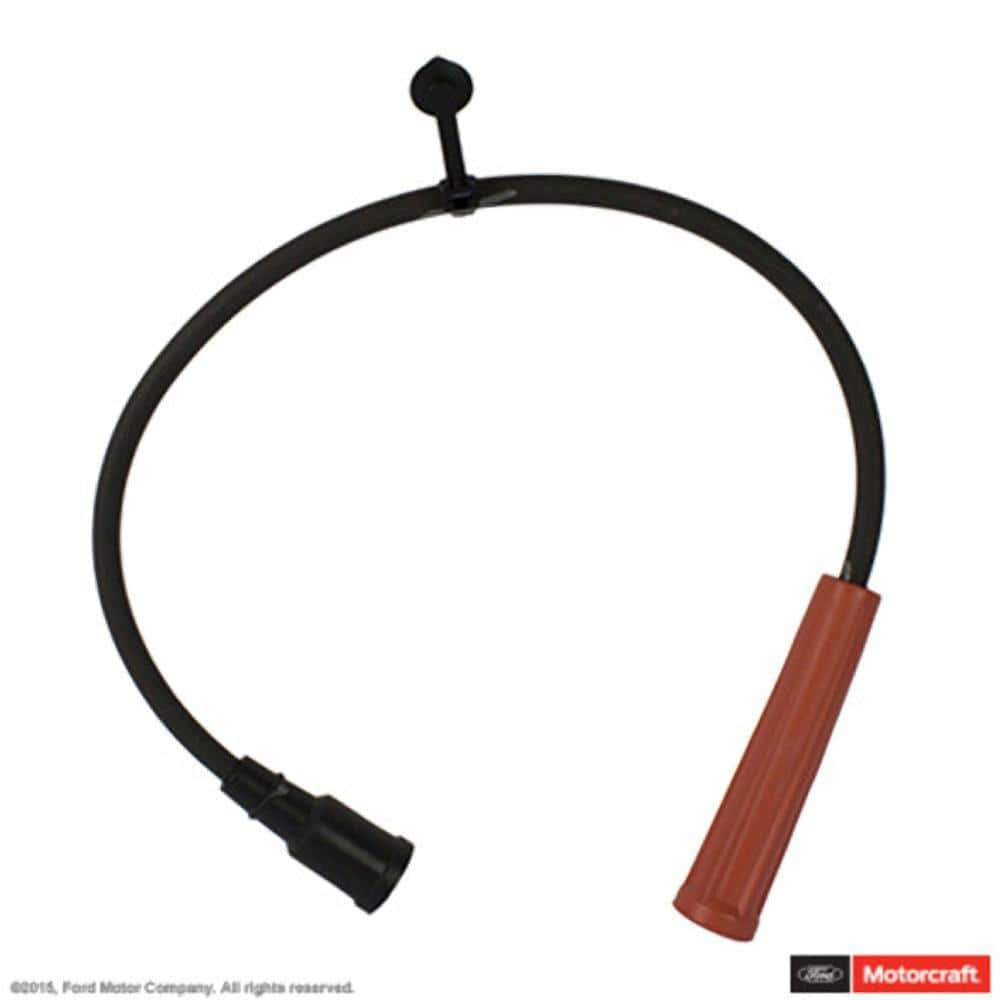
Motorcraft Single Lead Spark Plug Wire WR-6147
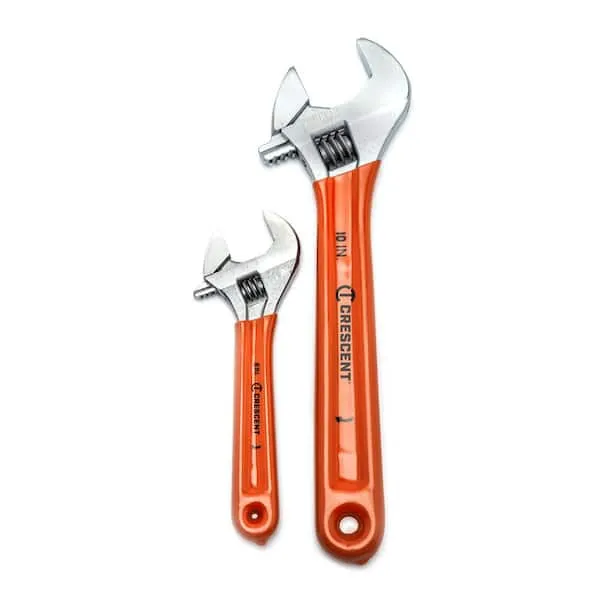
Adjustable Wrench
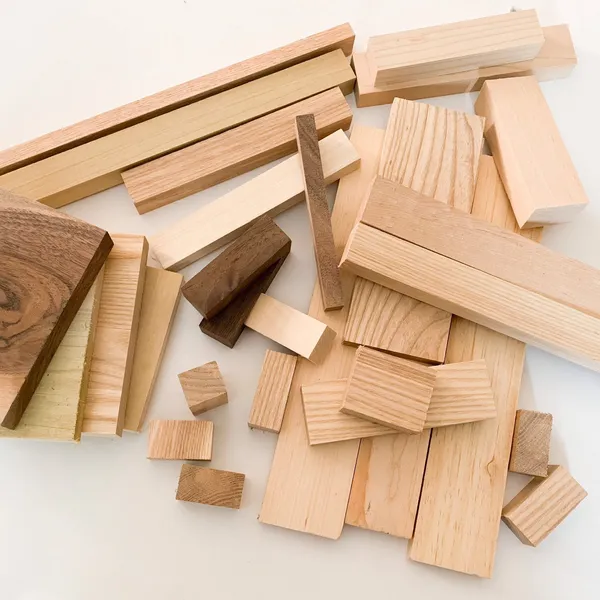
Scrap Wood Blocks

VEVOR 32 in. Manual Hand Plate Shear for Metal Sheet Processing Benchtop Veneer Cutter with Q235 Material for Crafts Steel SDJBQ31YC15MHUSH7V0

Yost 4 in. Bench Vise BV-4
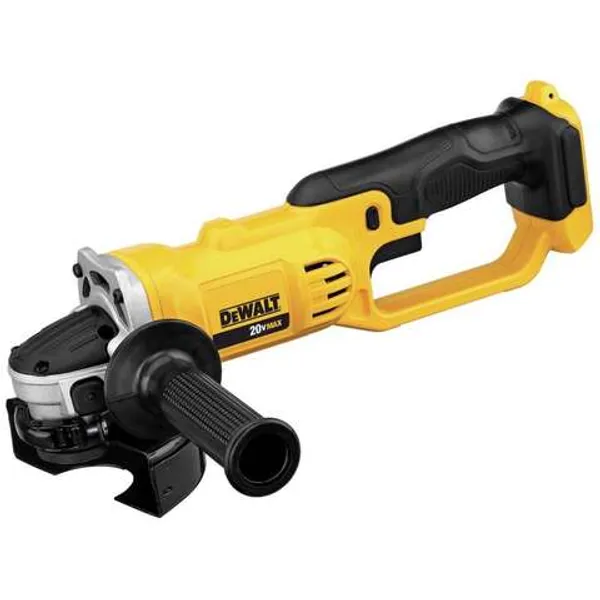
Angle Grinder
Motorcraft Single Lead Spark Plug Wire WR-6147
Motorcraft parts are recommended by Ford Motor Company and offer high-quality, vehicle-specific applications for Ford vehicles. Our extensive part line means that youll find the right part with the right
Adjustable Wrench
Fits various nut and bolt sizes with its adjustable jaw.
Scrap Wood Blocks
Perfect for small DIY tasks.
VEVOR 32 in. Manual Hand Plate Shear for Metal Sheet Processing Benchtop Veneer Cutter with Q235 Material for Crafts Steel SDJBQ31YC15MHUSH7V0
VEVOR HS-800 32 in. Manual Hand Plate Shear Machine. This plate cutter can cut larger sized materials. It can easily cope with cutting large sized sheet metal. It can cut large size materials at 1 time
Yost 4 in. Bench Vise BV-4
The Yost BV-4 4 bench vise is an all-purpose bench vise. A staple for any home workshop, no matter what your job is. Built for durability and dependability, this vise is constructed from 30,000 psi cast
Angle Grinder
Used for power carving, especially for shaping and contouring the legs of the table.
Steps
Disconnect Spark Plug Wire
1 minuteBefore beginning any work on the lawn mower, it is crucial to ensure it cannot start accidentally. Locate the spark plug wire, which typically connects to the top of the spark plug. Firmly grasp the boot of the spark plug wire and pull it straight off the spark plug. This action effectively disables the ignition system.

Remove Mower Blade
5 minutesWith the spark plug wire disconnected, it's time to remove the blade. To prevent the blade from rotating while you loosen the mounting bolt, you can wedge a block of wood between the blade and the mower deck. Alternatively, some mower decks have a specific mechanism or bolt to hold the blade stationary. Using the appropriate socket or wrench, turn the blade mounting bolt counter-clockwise to loosen and remove it. Keep the bolt and any washers or nuts in a safe place.
Watch: Remove Lawn Mower Blade
Sharpen the Lawn Mower Blade
15 minutesPlace the blade on a sturdy workbench or vise, ensuring it is held securely. Using a metal file, hone the cutting edge of the blade. Move the file away from your body in smooth, consistent strokes, following the original angle of the blade's bevel. Aim to remove about a 1/16 to 1/8 inch of metal to restore a sharp edge. If using a grinder, use a light touch and keep the blade moving to avoid overheating and warping the metal. Check for sharpness frequently by carefully running your gloved finger along the edge. Repeat on the other side of the blade, ensuring an even edge.
Watch: Sharpen Blade with a File
Clean and Balance the Blade
5 minutesAfter sharpening, use a wire brush to remove any metal filings, grass, or dirt from the blade. For balancing, you can use a blade balancer tool or simply hang the blade on a nail or screw through its center hole. The blade should remain level. If one side consistently drops, it is heavier. You can remove a small amount of metal from the heavier side's cutting edge or drill small holes in the heavier side of the blade's body to balance it. Re-check the balance after making any adjustments.
Watch: Balance the BladeReinstall the Mower Blade
5 minutesPosition the sharpened and balanced blade back onto the mower deck, ensuring it is oriented correctly with the cutting edge facing down. Reinsert the mounting bolt through the blade and the mower deck. If removed, reattach any washers or nuts. Tighten the mounting bolt securely using the socket wrench or adjustable wrench. For safety, ensure the blade does not rotate while you tighten the bolt. Overtightening can damage the bolt or deck, but it must be snug to prevent loosening during operation.
Watch: Reinstall the Blade
Reconnect Spark Plug Wire
1 minuteWith the blade securely reattached, reconnect the spark plug wire. Firmly push the boot of the spark plug wire back onto the top of the spark plug until it clicks or feels securely seated. This action restores the ignition system, allowing the mower to be started.
Watch: Restore Mower and Reconnect Spark PlugCommon Problems
The mower engine accidentally starts while I'm working on the blade, which is a serious safety hazard.
Solution: Immediately stop working. If the mower started, turn it off. Then, ensure the spark plug wire is fully disconnected from the spark plug and secured away from it. Do not resume work until you are certain the spark plug wire cannot accidentally reconnect.
Prevention: Always disconnect the spark plug wire *first* before doing any work on the mower blade. Secure the wire away from the spark plug so it can't accidentally touch it and cause the engine to spark or start. Double-check it's disconnected before you begin.
I can't loosen the blade nut; my adjustable wrench keeps slipping or is rounding off the nut's edges.
Solution: Stop trying with the slipping wrench. If available, try using a 6-point socket and a ratchet that fits the nut perfectly, as these provide a much better grip. If the nut is already rounded, you might need a specialized nut extractor tool, or you may need to seek professional help to remove it.
Prevention: Use the correct size wrench or, even better, a 6-point socket that fits snugly on the nut. Ensure the wrench/socket is fully seated before applying force. Apply steady, firm pressure, and consider using a penetrating oil on stubborn nuts before attempting to loosen them.
After sharpening, the blade still wobbles or vibrates excessively when I test it on the balancer.
Solution: Identify which side of the blade is heavier on the balancer. Carefully remove a small amount of metal from the *back* (the non-cutting edge side) of the heavier end of the blade using your grinder or file. Avoid removing material from the cutting edge itself. Re-test on the balancer and repeat this process in small increments until the blade hangs level.
Prevention: When sharpening, try to remove roughly equal amounts of material from both cutting edges. Check the balance periodically during the sharpening process, and make minor adjustments by removing material from the heavier side's non-cutting edge.
The mower isn't cutting grass, it's just bending or shredding it after I reinstalled the blade.
Solution: This usually means the blade was reinstalled upside down. Immediately disconnect the spark plug wire again for safety. Remove the blade and check its orientation. The sharp, angled cutting edge should face upwards towards the mower deck. The curved 'wings' at each end of the blade typically point up to create lift. Reinstall the blade correctly and tighten securely.
Prevention: Before removing the blade, take a photo or make a mental note of its exact orientation. Many blades have 'grass side' or 'this side up' markings. Always double-check these markings or the blade's curvature before reattaching it.
I'm getting sparks and metal dust flying, and I'm worried about eye injury or cuts.
Solution: Stop working immediately. If anything entered your eye, flush it thoroughly with clean water for several minutes and seek medical attention if irritation persists. Clean any cuts and apply appropriate first aid. Do not resume work until you have proper protection.
Prevention: Always wear safety glasses and cut-resistant gloves *before* you start any work on the blade, especially during sharpening, cleaning, or handling. These protect your eyes from flying debris and your hands from sharp edges.
I've sharpened the blade, but it looks discolored (blue or purple) or feels very thin and weak at the edge.
Solution: Discoloration (blue/purple) indicates the blade metal got too hot, which can weaken it and make it prone to breaking. If the blade is discolored or the cutting edge is excessively thin, it's safer to replace the blade entirely rather than risk it breaking during use. A broken blade can be very dangerous.
Prevention: When using an angle grinder, use light pressure and make short, intermittent passes. Allow the blade to cool down frequently by taking breaks. Avoid grinding too much material off at once, especially near the cutting edge, to prevent overheating and weakening the metal.
Frequently Asked Questions
What are the most critical safety precautions I must take when sharpening my lawn mower blade?
Always disconnect the spark plug wire to prevent accidental engine starting before touching the blade. Wear heavy-duty gloves to protect your hands from sharp edges and safety glasses when using power tools like an angle grinder. Secure the blade firmly in a bench vise to prevent it from slipping during the sharpening process.
Can I sharpen my lawn mower blade with just a file, or do I need an angle grinder?
You can effectively sharpen a lawn mower blade with a sturdy metal file, although it requires more manual effort and time. An angle grinder offers a quicker method for sharpening but demands careful control to maintain the correct angle and avoid overheating the blade. Ensure you have a bench vise to securely hold the blade regardless of the tool you choose.
Why is it important to balance the lawn mower blade after sharpening?
Balancing the blade prevents excessive vibration during operation, which can lead to premature wear on the mower's engine and bearings. An unbalanced blade can also result in an uneven cut, making your lawn appear ragged. Use a blade balancer tool to check and adjust the balance until the blade hangs perfectly level.
How often should I sharpen my lawn mower blade for optimal performance?
Sharpen your lawn mower blade at least once per mowing season, or more frequently if you notice the grass tearing instead of cleanly cutting. If you mow a large area or frequently hit debris, sharpening every 20-25 hours of use is a good guideline. Regular sharpening ensures a healthier lawn and more efficient mowing.
Is sharpening a lawn mower blade a difficult project for a beginner, and how long does it typically take?
This project is generally suitable for beginners, especially if you prioritize safety and take your time with each step. The estimated time for the entire process, including removal, sharpening, balancing, and reinstallation, is approximately 2 hours. Your first attempt might take a bit longer as you familiarize yourself with the procedure.
What are some common mistakes to avoid when sharpening a lawn mower blade?
Avoid grinding the blade too thin, changing the original blade angle too drastically, or overheating the metal, which can weaken it. Ensure you only sharpen the cutting edge, not the entire blade, and always balance it before reinstallation. Critically, forgetting to disconnect the spark plug wire before handling the blade is a major safety hazard.
What should I do if my lawn mower blade is severely nicked, bent, or chipped?
While minor nicks can often be sharpened out, a severely bent, heavily chipped, or deeply gouged blade should be replaced rather than attempting to fix it. A compromised blade can be dangerous, causing significant vibration, poor cutting performance, and potential damage to your mower. If replacing, new mounting screws are recommended.


